Skip main navigation
Close menu

Hadada Ibis

Bostrychia hagedash
  • hadada ibis
  • hadada ibis
  • hadada ibis
  • Hadada ibis
  • hadada ibis
  • hadada ibis
  • hadada ibis
  • hadada ibis
  • hadada ibis
  • hadada ibis

About the Hadada Ibis
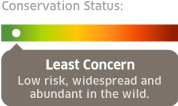
conservation status: least concern

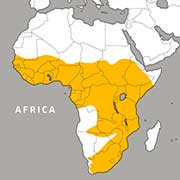
Geographic Range:

range map

Class: Aves
Order: Ciconiiformes
Family: Threskiornithidae
Genus: Bostrychia
Species: hagedash

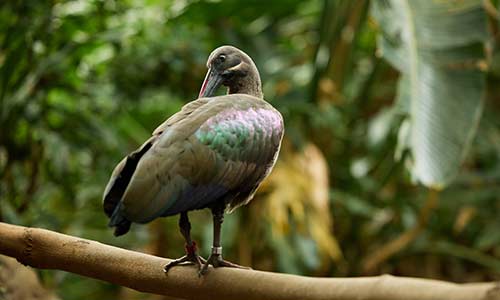
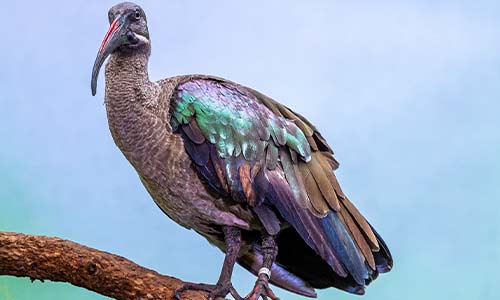
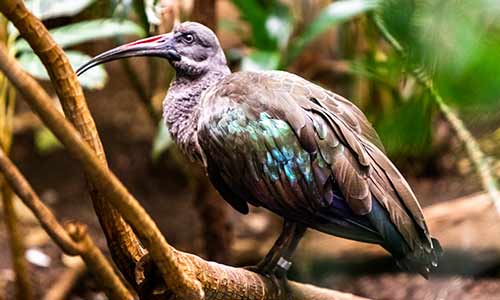
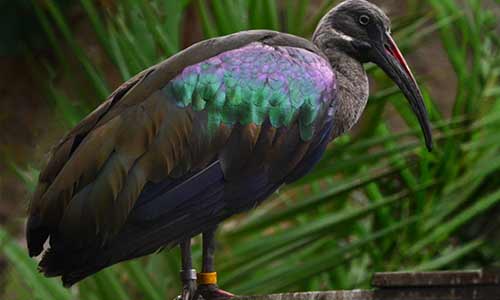
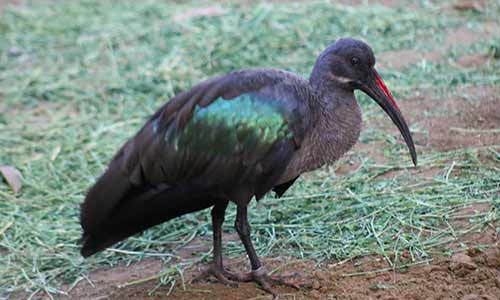
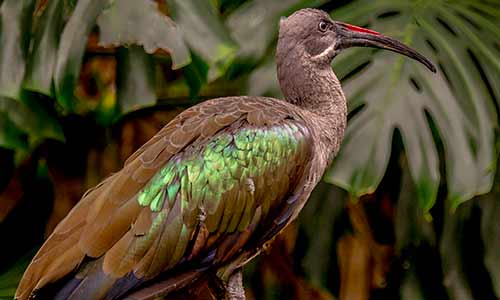
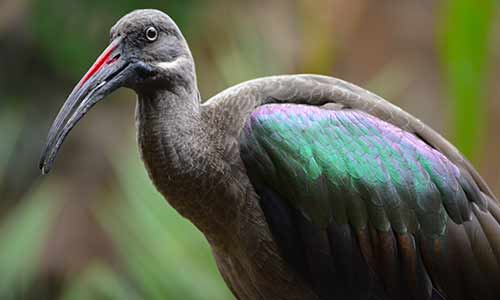
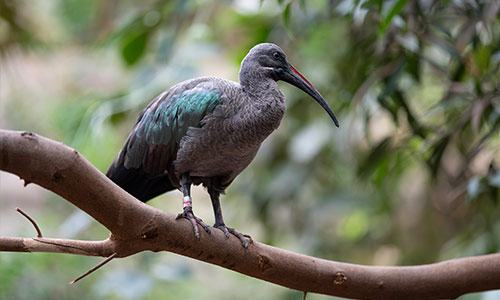
The hadada ibis is a medium-sized bird with olive-brown plumage highlighted by shimmering green feathers on its wings. Its long, curved and sensitive bill is specially adapted for probing mud in search of insects and other prey. Unlike many other ibis species, hadada ibis are less social, often nesting separately even when roosting near others, and their flocks tend to fly in loose groups rather than neat formations.

Committed to Conservation

Zoo New England participates in the hadada ibis Species Survival Plan. By sharing research and knowledge, participating institutions work together to establish guidelines that best ensure the health of captive populations, and with success, the survival of endangered species.

Hadada Ibis Facts

Appearance:

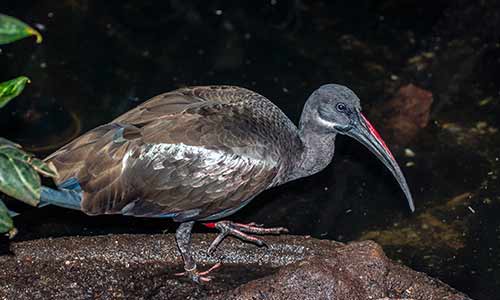
The hadada ibis is a medium-sized bird with an olive brownish color. This species has iridescent green coloring on its wings and a long beak that curves into a spear-like structure. They have long legs, and their sensitive, curved bills enable them to probe mud looking for prey.

Size:

  • Length: 25-30 inches
  • Wingspan: 35-40 inches
  • Weight: 27 pounds

Diet:

In the wild, the hadada ibis is carnivorous, eating a diet that consists primarily of insects as well as earthworms, snails, millipedes, centipedes, crustaceans, spiders and small reptiles.

Reproduction:

The hadada ibis has a lengthy breeding season that usually peaks around the rainy season. Males and females will display behaviors and pair off. Unlike other ibis species, they do not have large communal nesting areas. Mated pairs find a secluded bush, tree or telephone pole instead. The male gathers nesting material and the female builds the nest, in which the female lays two to three eggs, although they can sometimes lay as many as six. Both parents incubate the eggs for 25-28 days. Both parents feed the chicks by regurgitating their meals.

Behavior:

The hadada ibis is less social than other types of ibis. They may roost together, but they keep separate nests. When they fly together, they don't fly in an orderly formation as other ibis do.

Median Life Expectancy:

The life expectancy of the hadada ibis is currently unknown.

Habitat/Range:

Open grasslands, savannahs and rainforests of sub-Saharan Africa.