
Skip main navigation
Close menu

Scarlet Ibis

Eudocimus ruber

⚠️ Animal Alert
The scarlet ibis is kept indoors throughout the fall and winter. Visit our Winter Visits page to learn more about the amazing animals you can see during the winter!
  • scarlet ibis
  • scarlet ibis
  • scarlet ibis
  • scarlet ibis
  • scarlet ibis
  • scarlet ibis
  • scarlet ibis
  • scarlet ibis
  • scarlet ibis
  • scarlet ibis
  • scarlet ibis

About the Scarlet Ibis
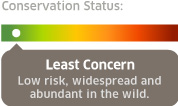
conservation status: least concern

Geographic Range:

range map

Class: Aves  
Order: Ciconiiformes  
Family: Threskiornithidae 
Genus: Eudocimus  
Species: ruber

The scarlet ibis is tropical bird whose vibrant red coloring comes from the crustaceans it eats! With a long, curved beak, it probes mud and shallow water for food, including crustaceans, fish, insects and small snakes. These social birds gather in large flocks, sometimes forming breeding colonies of thousands, and both parents help incubate their eggs and care for their chicks. The scarlet ibis is also the national bird of Trinidad and Tobago.

Committed to Conservation

Zoo New England participates in the scarlet ibis Species Survival Plan. By sharing research and knowledge, participating institutions work together to establish guidelines that best ensure the health of captive populations, and with success, the survival of endangered species.

Scarlet Ibis Facts

Appearance:

The scarlet ibis is a tropical bird whose wings are completely scarlet except for its black tips. Their coloring comes from the crustaceans they eat, and the color intensifies as they grow older. These birds have long necks and legs, and their beak is long and curved. Guided by touch, they use their beaks to probe mud and water for food. Their feet are perched and slightly webbed.

Size:

  • Length: 22 – 30 inches
  • Wingspan: 12 inches
  • Weight: 1.5 – 3 pounds

Diet:

Crustaceans, mollusks, fish, insects, frogs and small snakes.

Reproduction:

These birds reach sexual maturity at 4 to 5 years of age. The male ibis uses a number of displays, including songs and dances, in order to attract his mate. After finding his mate, the birds build a nest together using loose sticks. They lay three to five green eggs and incubate them from 19 to 23 days. Both parents incubate the eggs and care for the young. Chicks fledge after 39 to 45 days.

Behavior:

Ibis live in large flocks and tend to live in the same general area for most of their lives. Breeding colonies can include thousands of birds. Having a dense population helps these birds keep watch for predators and provide "safety-in-numbers" for both birds and their eggs and hatchlings.

Habitat/range:

Found throughout northern South America, from Venezuela to eastern Brazil. Their preferred habitat is mud flats, estuaries, shorelines and shallow bays.

Median Life Span:

Up to 20 years in the wild

Threats:

Tree-climbing or tree-dwelling predators (cats, monkeys, raptors) can predate ibis eggs and young. Water-dwelling predators (caimans, turtles, snakes) pose dangers to the wading adults. The creation of a road through the Caroni Swamp in Trinidad disrupted scarlet ibis breeding for many years, though populations have started nesting there again.

Fun Facts:

  • The scarlet ibis is the national bird of Trinidad and Tobago.
  • This is an ancient bird whose fossils date back to 60 million years ago.