Markhor
Capra falconeri heptanari
-
-
-
-
-
-
-
-
Markhor -
-
-
-
-
-
-
-
-
-
-
-
About the Markhor
Geographic Range:
Class: Mammalia
Order: Artiodactyla
Family: Bovidae
Genus: Capra
Species: falconeri heptanari
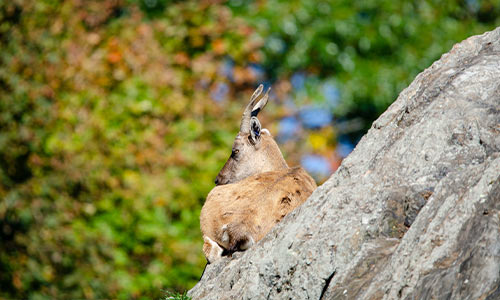
Markhors are the largest of the wild goat species, known for their impressive spiral horns that can grow up to five feet long in males! These mountain climbers use their broad hooves to keep steady footing on steep, rocky terrain and migrate to higher elevations during warmer months. Females live in herds, while males typically join them during breeding season. With their reddish-gray coats, flowing beards, and dramatic horns, markhors are striking mountain dwellers—but they face threats from poaching, habitat loss, and competition with domestic livestock.
Conservation Note:
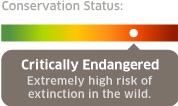
Markhors are listed as endangered; the subspecies, C.f. heptanari, are critically endangered.
Committed to Conservation
Zoo New England supports a community-led effort in northern Pakistan to protect vital mountain habitat for snow leopards, markhor, and other species. By empowering local communities and training rangers, this program helps ensure lasting conservation for wildlife and the people who share their environment. Read more about our Community-Led Conservation in Northern Pakistan initiative.
Markhor Facts
Appearance:
Markhors are the largest of the wild goat species. They have broad hooves and striking spiral horns that can grow to 5 feet long in mature males; female horns are smaller, around 2 feet. The markhor's coat is reddish gray with a dark stripe running the length of its back. Males have thick, long beards, manes and tufts of hair on their legs, while females may only have thin, short beards.
Size:
Height: 2 to 4 feet
Length: 4.5 to 6.2 feet
Weight: Females weigh 70 to 88 pounds. Males weigh 170 to 242 pounds.
Diet:
Markhors graze primarily on grasses and browse on shrub leaves and twigs.
Reproduction:
The markhor's breeding season is from April to June. One to two young are born after a 155-day gestation period. Females reach sexual maturity at around 2 years of age. Males reach sexual maturity at around 4 to 5 years of age.
Behavior:
Female markhors live in herds while males only join herds during the breeding season. Markhors are most active during the early morning and late afternoon. Their wide hooves help them maintain stable footing when climbing their mountainous habitat. During the warm spring and summer months, they migrate to higher altitudes on the mountains. During the late fall, they descend to lower altitudes to graze on more plentiful vegetation at the tree line.
Habitat/Range:
Markhors live in the Himalayan Mountain Range around or above the tree line. They range across northern India, Pakistan, Afghanistan and Turkestan.
Median Life Expectancy:
10 to 13 years
Threats:
Markhors are poached for their meat and their horns that are believed to have medicinal qualities. They're also threatened by habitat loss and competition from domestic livestock.
You Can Find This Animal in the Himalayan Highlands
Helping Horns!
Markhor horns do more than look impressive! They help with rooting in soil, stripping bark, fighting, and attracting mates. They also contain blood vessels that help release heat, acting like built-in radiators!

You might also like
At Franklin Park Zoo:
At Stone Zoo: